When faced with the bulky sample books and technical spec sheets from leading commercial carpet tile brands, mastering these key terms will give you the confidence and leverage you need when talking to project managers, suppliers, and clients.
1. Construction
A critical starting point is carpet construction, which refers to how the fibers are tufted. This term determines the carpet's surface texture, underfoot comfort, and long-term durability.
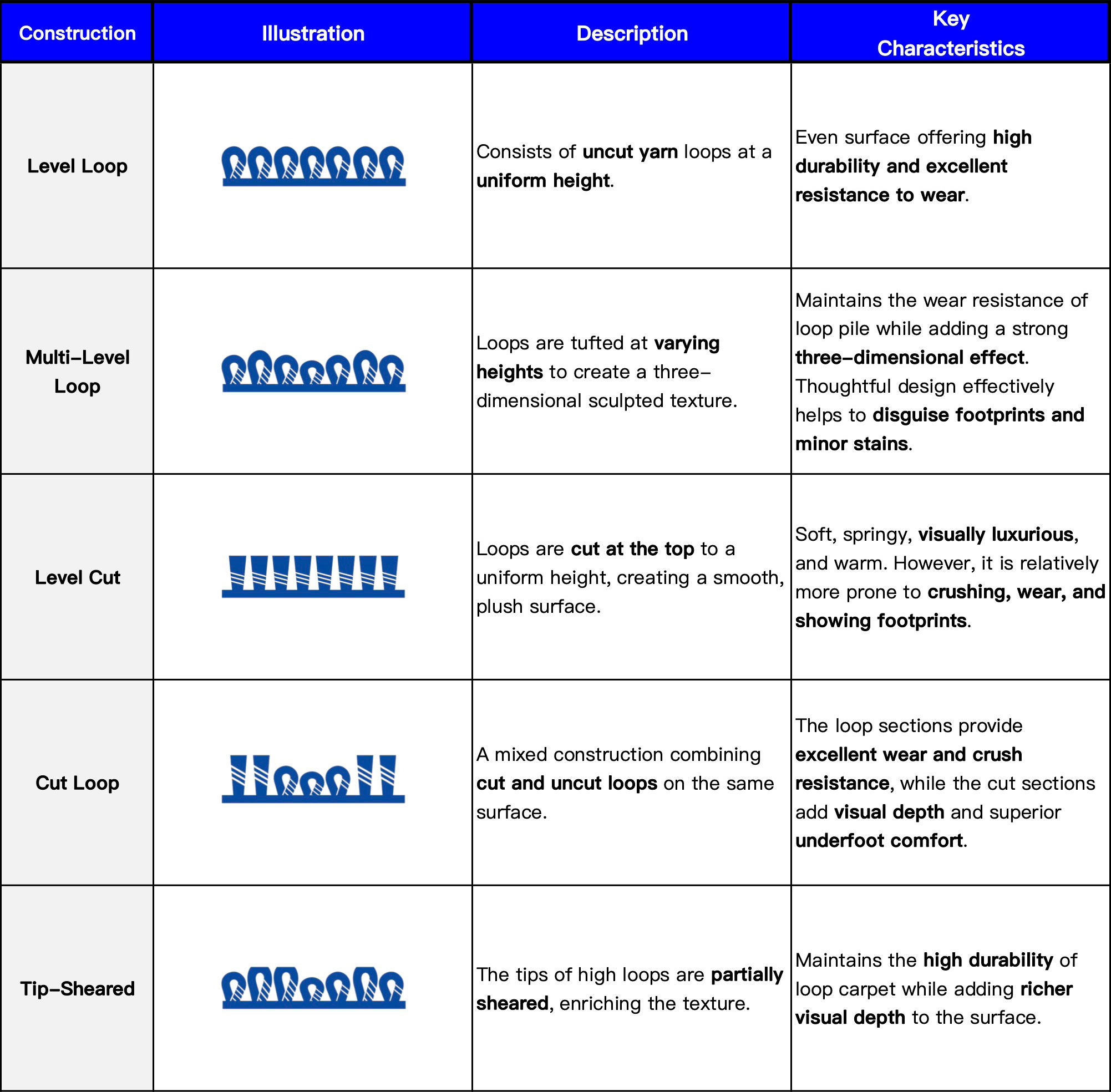
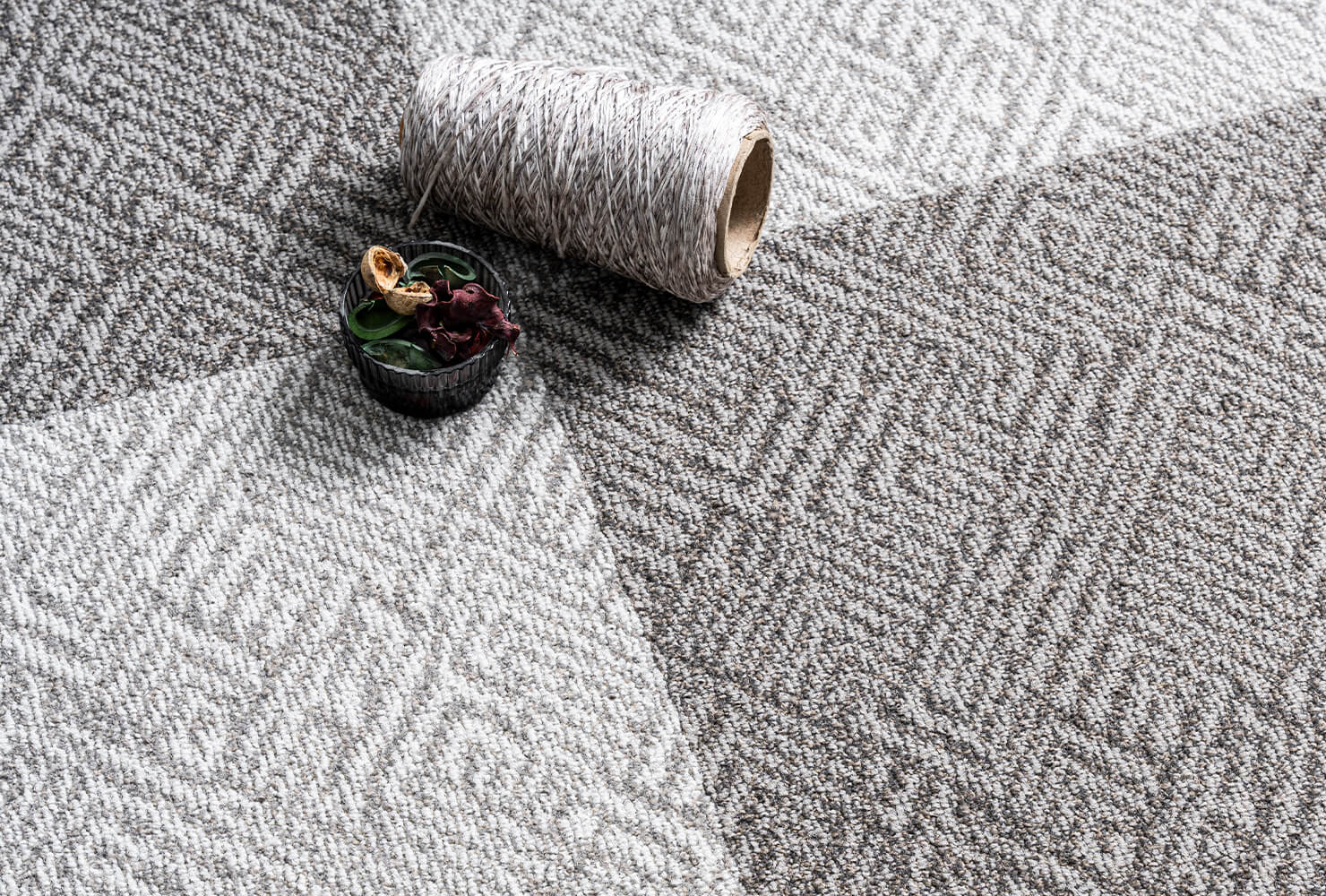
In short, loop pile stands for durability and a tight surface; cut pile stands for comfort and visual appeal. Multi-level textures add depth and richer patterning to a room, while clever design effortlessly hides everyday dust, lint, and minor footprints.
2. Pile Weight
Pile weight refers to the weight of surface fibers per unit area (excluding backing materials), typically measured in g/m² or oz/yd².
- High Pile Weight:Delivers a plush feel, rich texture, and enhanced underfoot comfort, along with superior durability. Ideal for executive offices, VIP reception rooms, and luxury hotels.
Low Pile Weight:Thinner in profile and more cost-effective, making it a great fit for budget-friendly projects.
Designer Tip: Pile weight alone does not dictate durability; pile structure (e.g., loop vs. cut pile), pile height, and construction density are equally critical.
3. Gauge and Stitch
Gauge and stitch are the two main drivers of a carpet’s overall density, much like pixel density in photography.
- Gauge: The distance between adjacent rows of tufts (needles) across the width of a tufted carpet, commonly specified as 1/10" or 1/12". A larger denominator means finer/denser carpets
Stitch: The vertical stitch count per inch
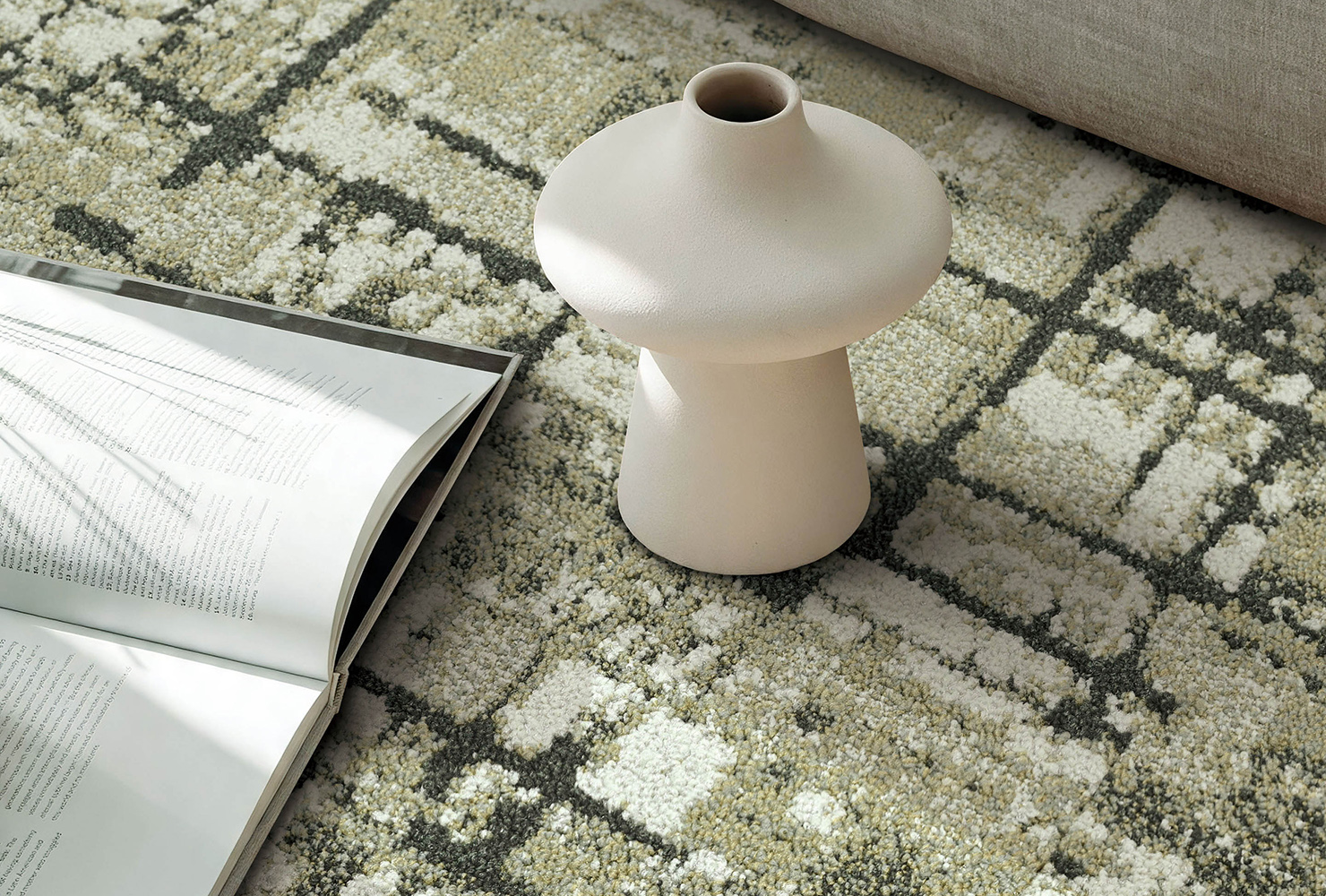
High-Density Carpet Tiles: Similar to high pixel density in digital photography, tightly tufted yarns provide mutual support under pressure. This minimizes matting and crushing while rendering ultra-sharp, detailed pattern clarity.
4. Total Thickness
Total Thickness refers to the complete physical height of the carpet. It is measured under standard fixed pressure from the bottom of the backing to the top of the pile surface.
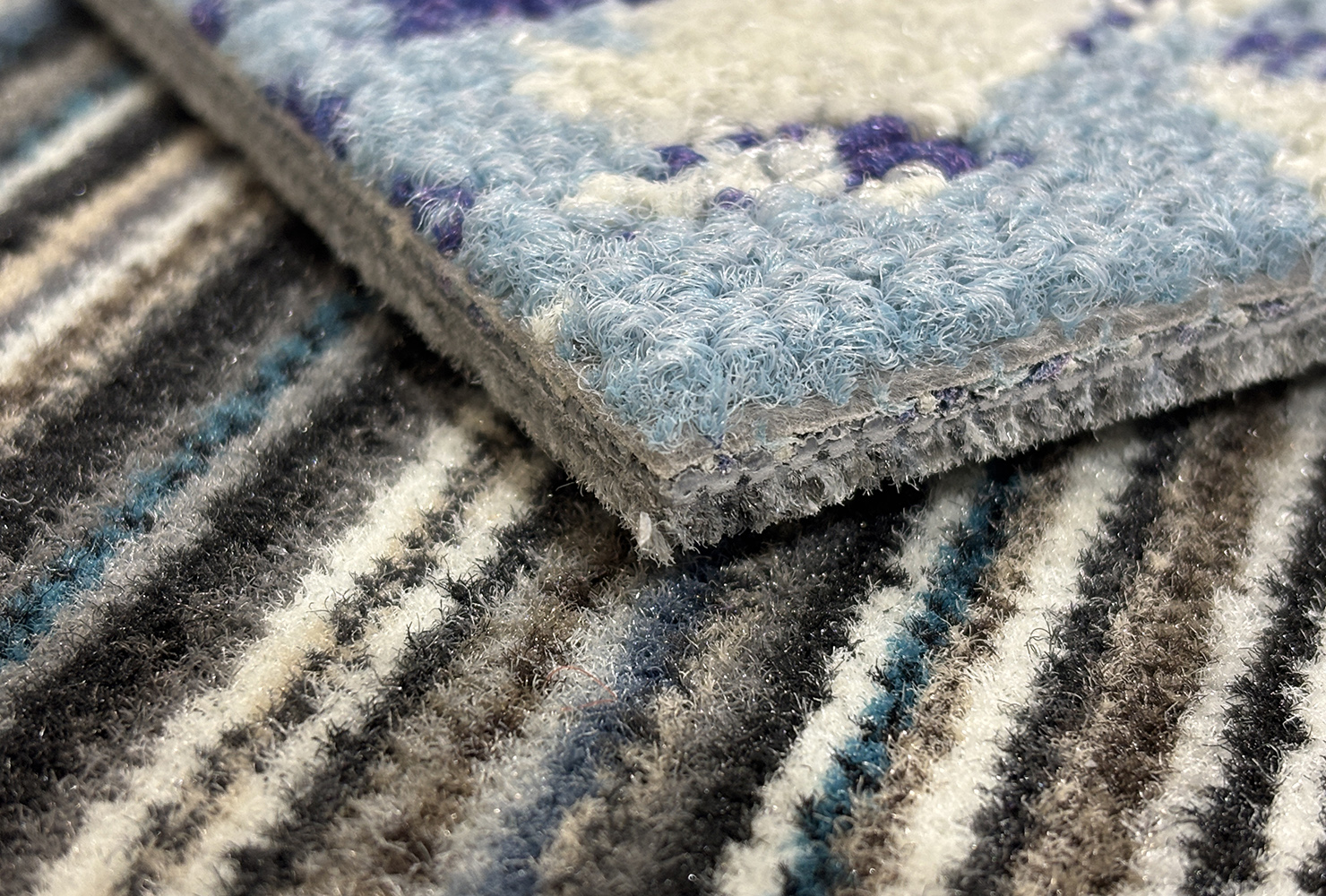
How to Choose: Carpet thickness affects transition heights with door thresholds and floor trims, door clearance, and overall acoustic performance.
5. Dye Method
A carpet's dye method determines how well the color resists fading, how it handles stains and bleach, and how deeply the color penetrates the fiber. Based on when color is introduced during production, carpet dye methods fall into four main categories.
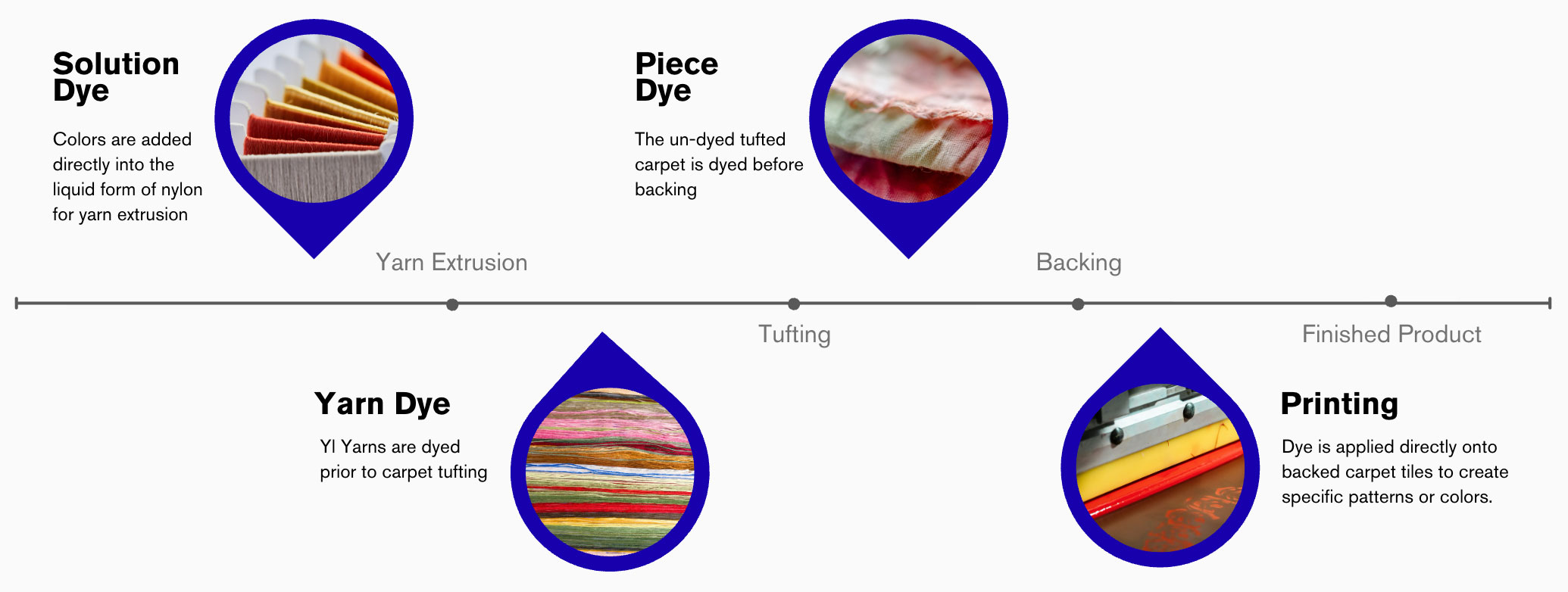
As we can see, solution dye occurs at the earliest stage of manufacturing. By integrating colors with nylon chips for yarn extrusion, this process ensures that color goes all the way through each strand. Solution-dyed fibers keep their color under heavy sunlight, foot traffic, or harsh chemicals and can often be cleaned with bleach—firmly establishing solution-dyed nylon as the gold standard for commercial flooring.
6. Tile Size
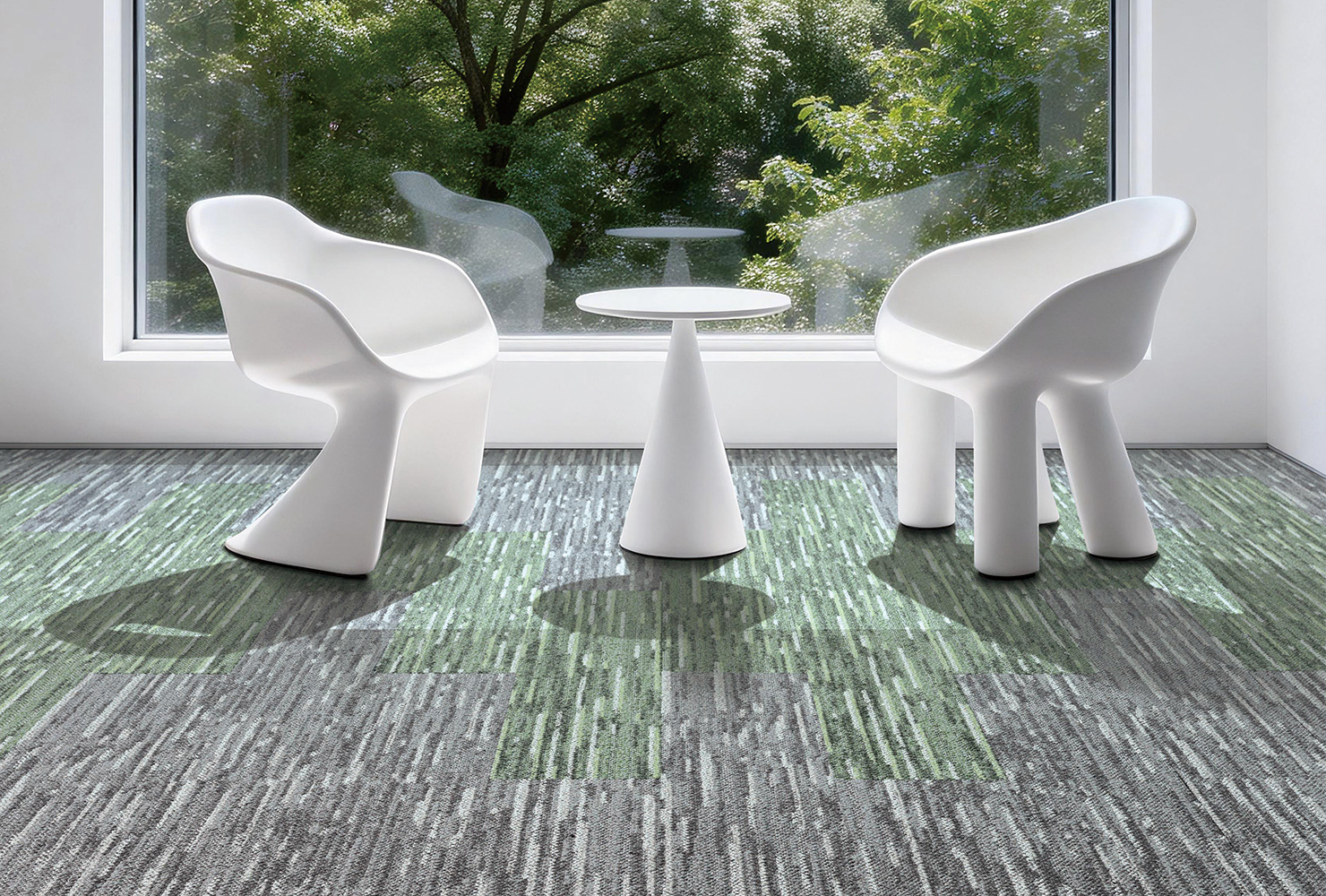
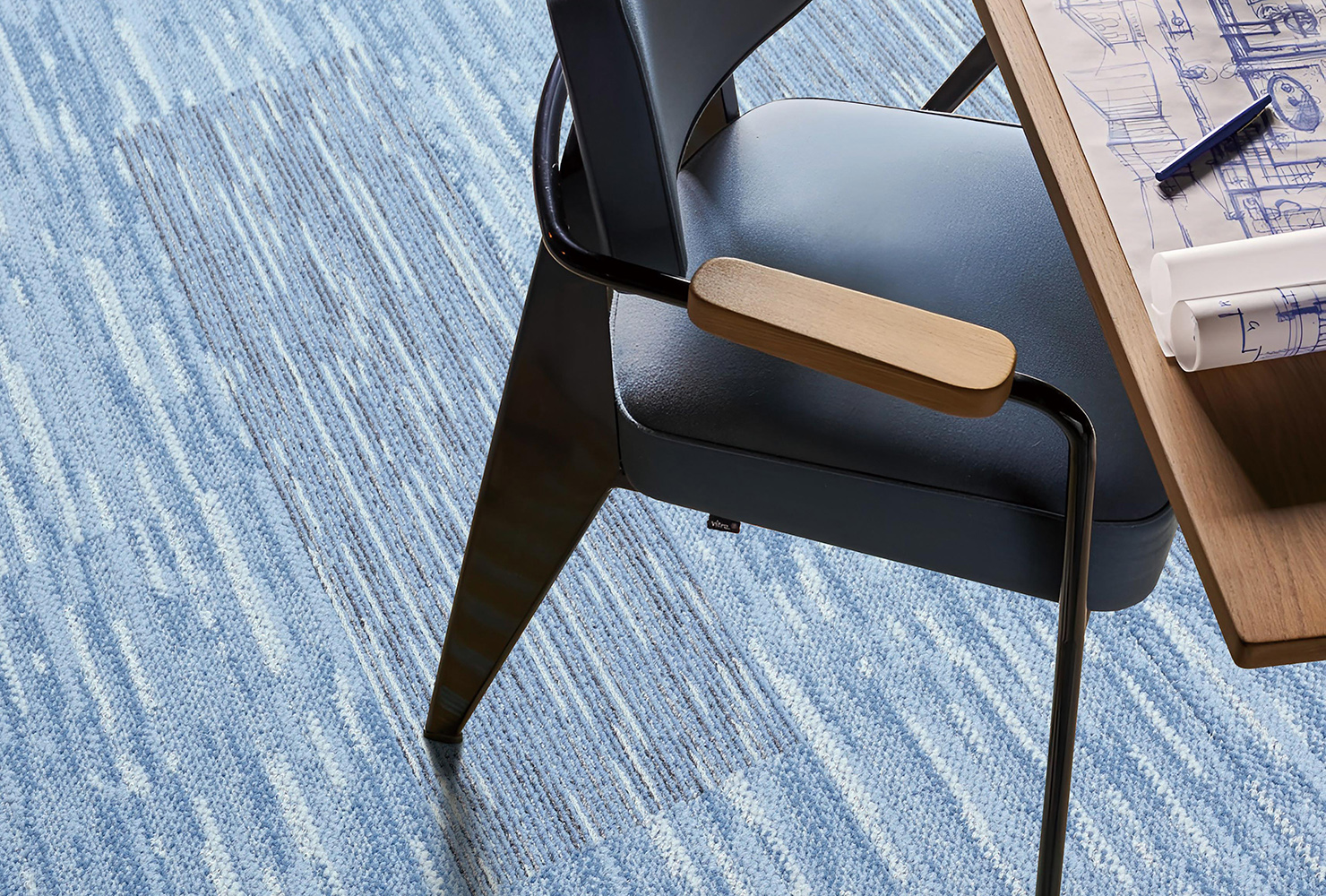
Carpet tiles have long evolved beyond a single standard size, offering endless possibilities for floor patterning through versatile dimensions. The classic 50×50 cm tile remains the go-to choice for various environments thanks to its rapid installation and relatively low waste rate of 3%–5%. For an even sleeker look, the 24’×24‘(around 60.9×60.9 cm) size covers more ground with fewer seams, creating a seamless, open sense of space.
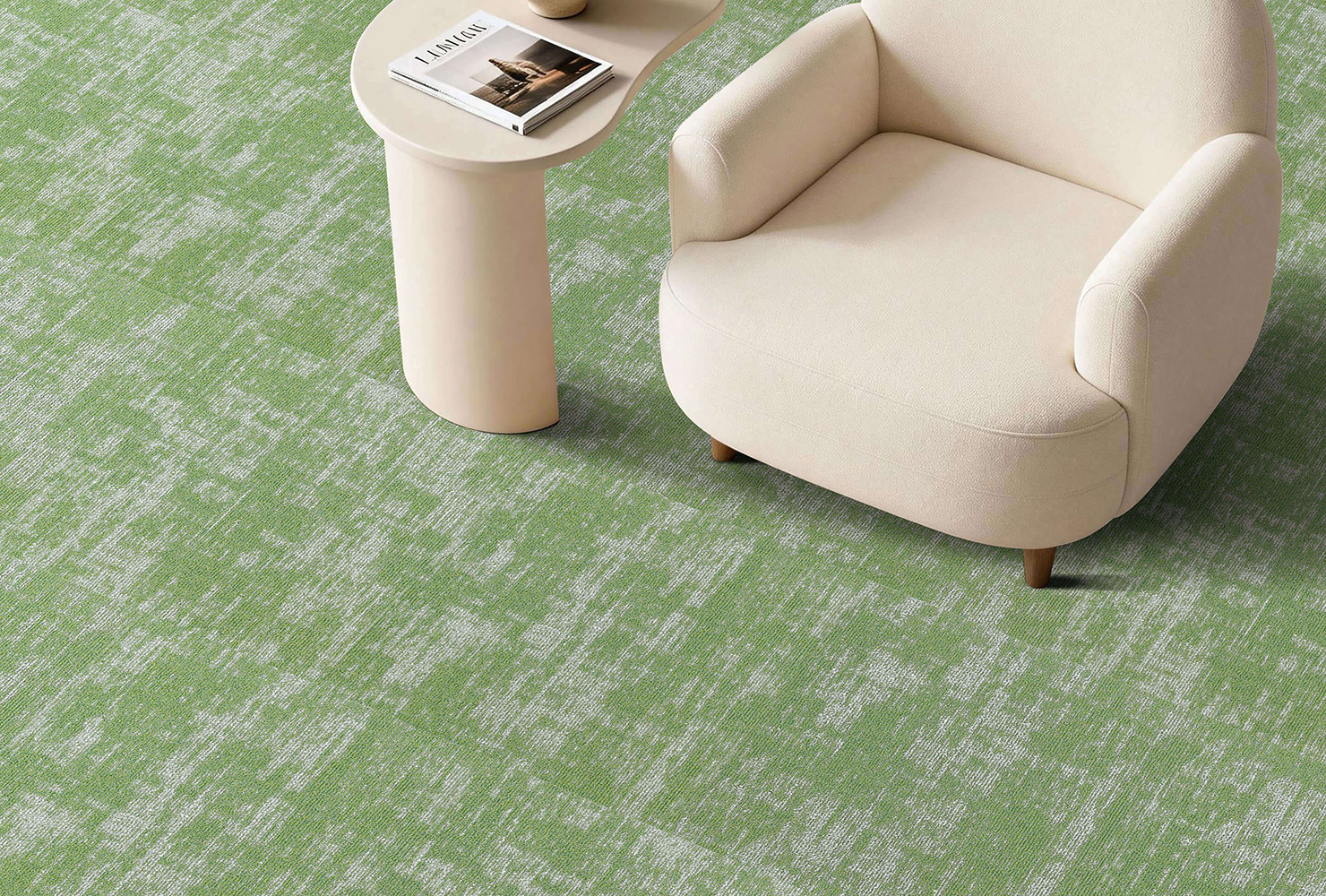
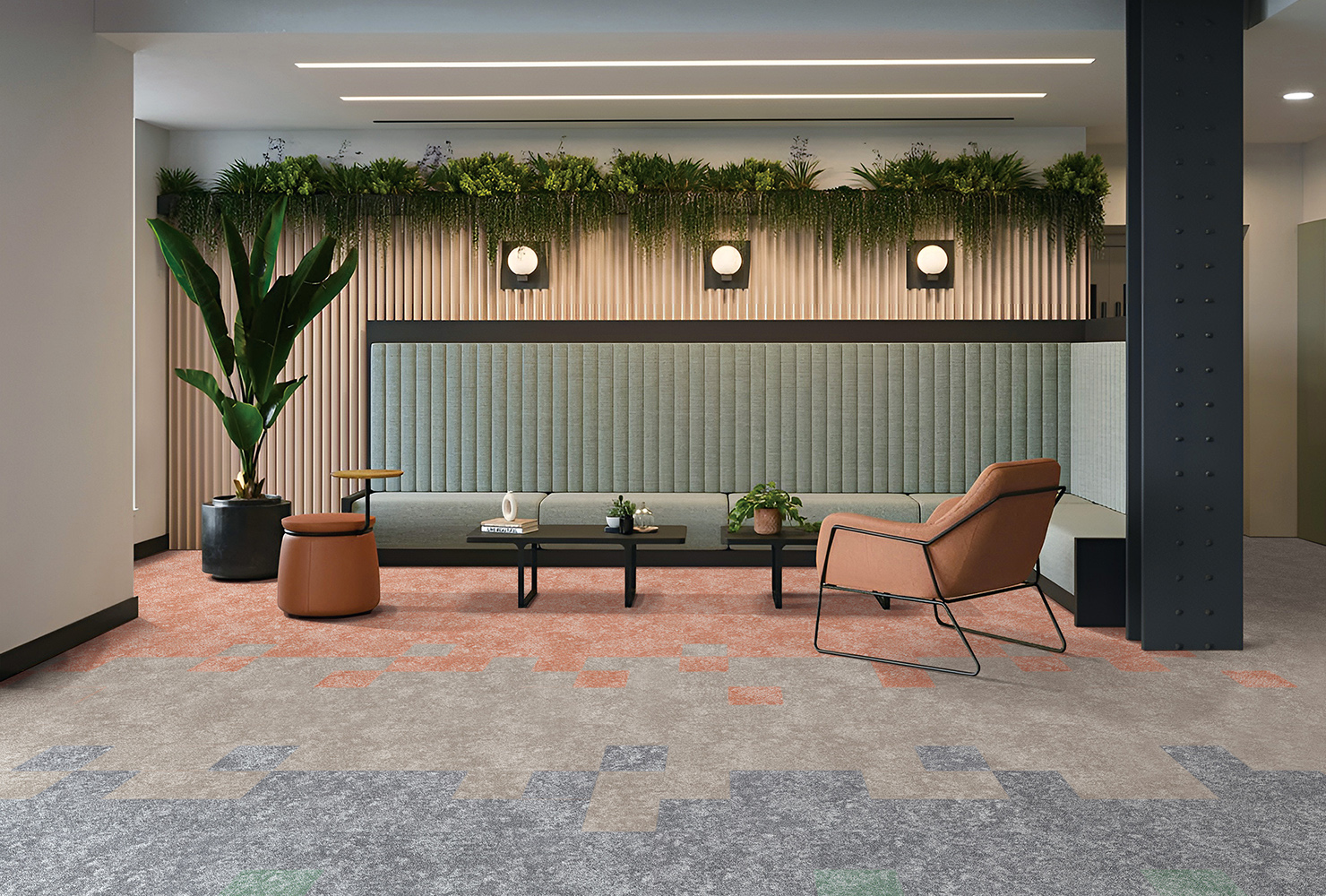
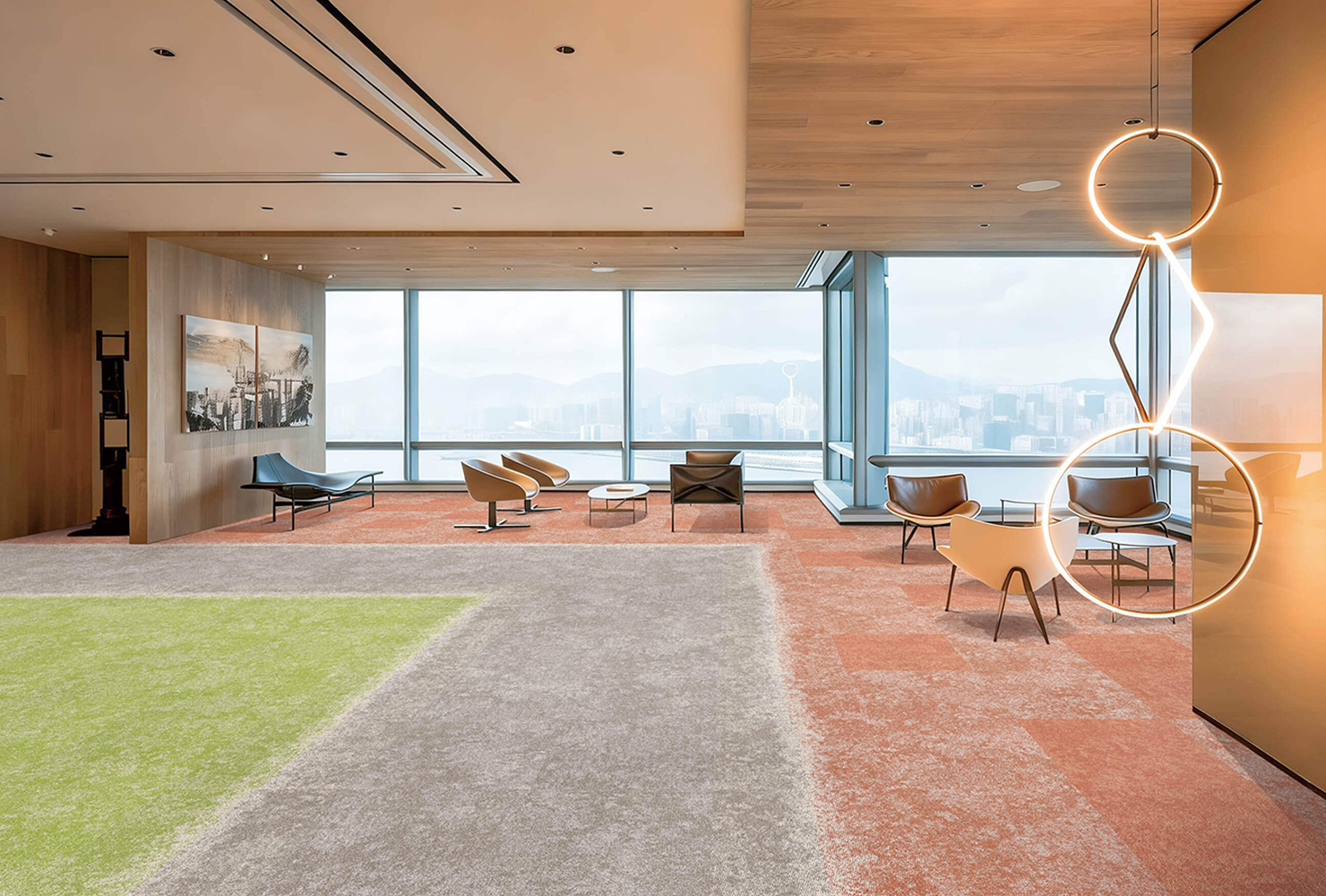
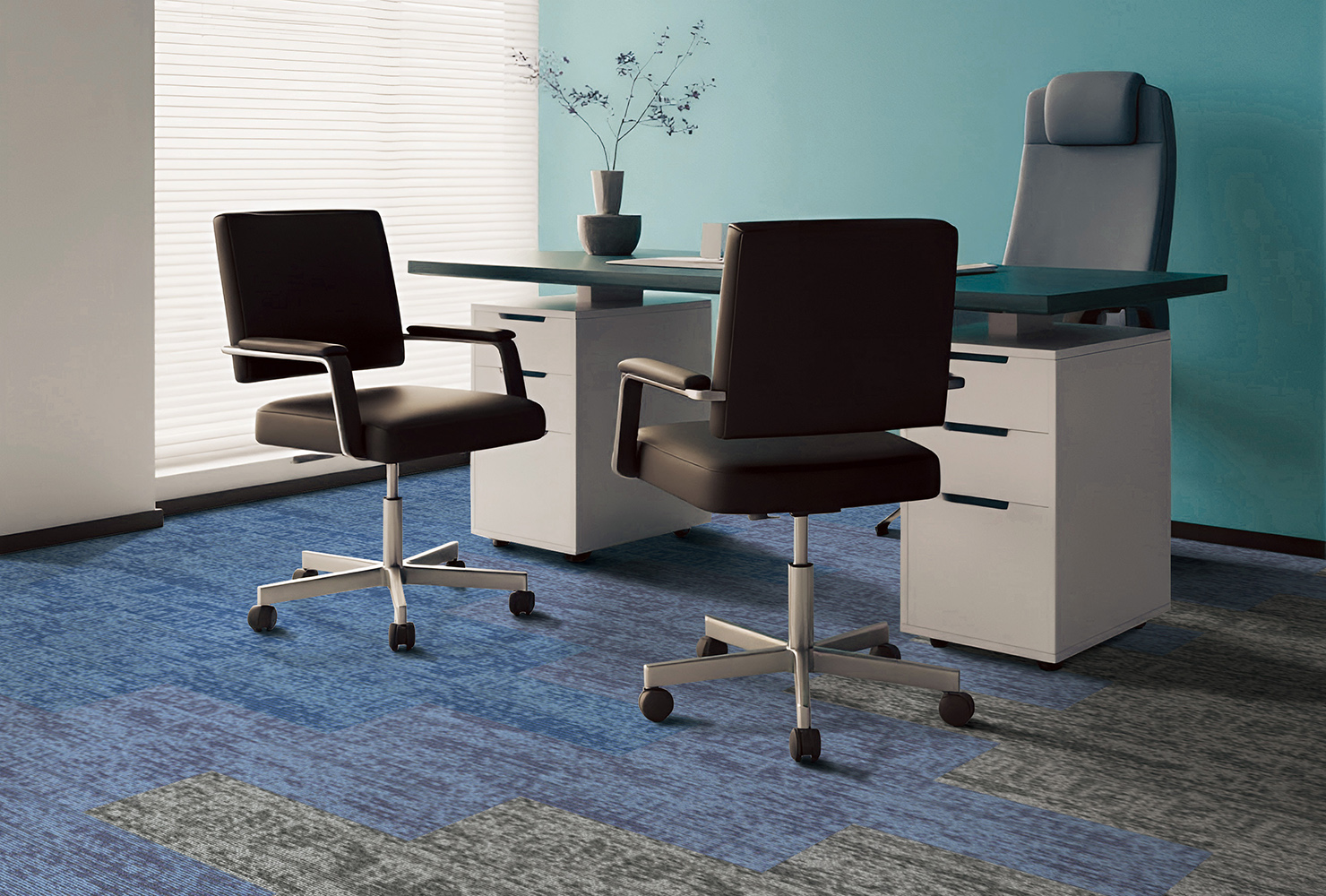
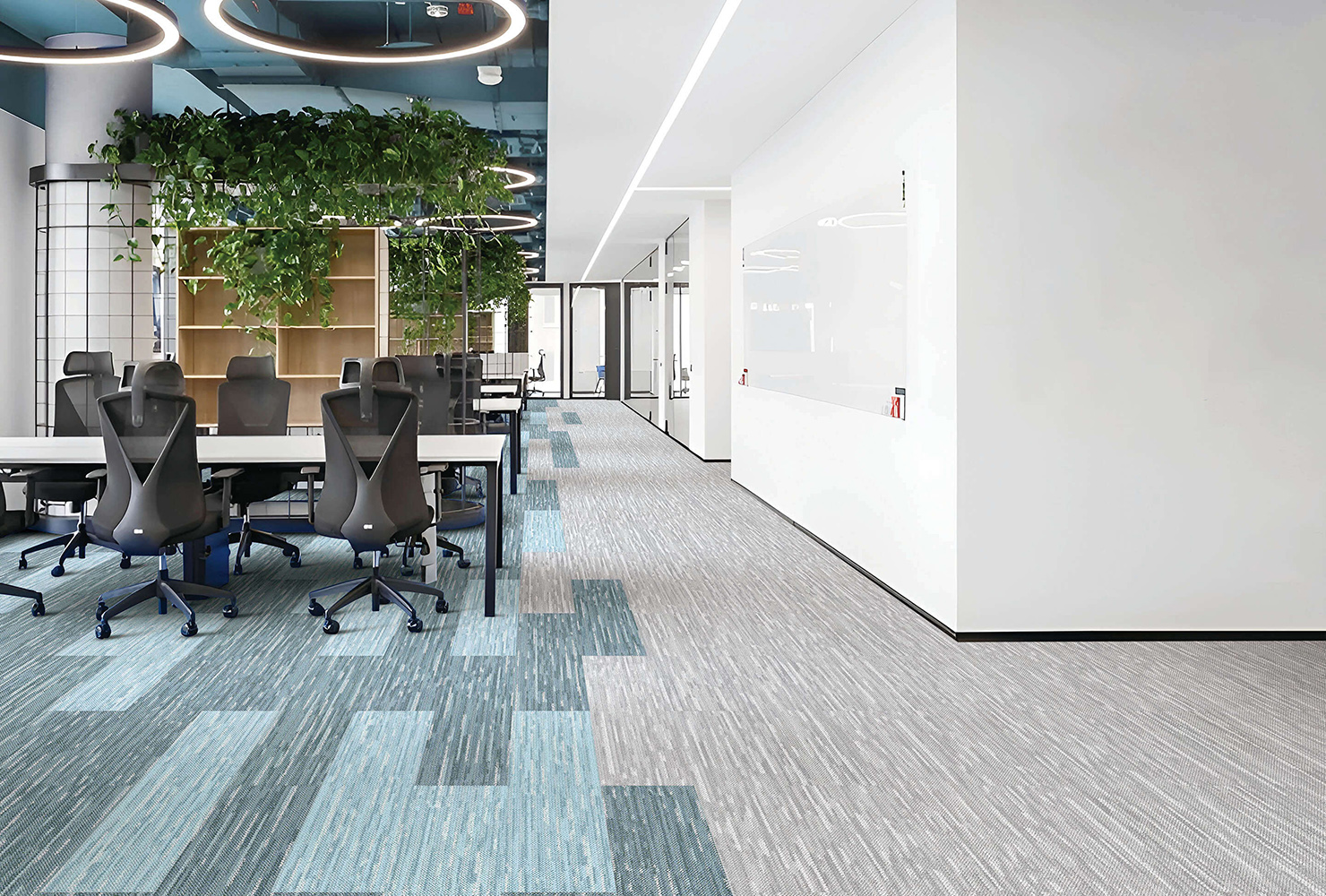
Meanwhile, popular plank tiles (25×100 cm or 50×100 cm) serve as powerful design tools that mimic wood flooring patterns to break visual monotony, establish clear movement pathways, or subtly delineate functional zones within open-plan environments.
How to Get Your Specification Sheet
When selecting materials for a project, you can follow a clear, step-by-step approach: User Needs ───► Key Specifications Required ───► Matching Products. For example, for an open office area in a high-traffic tech headquarters, a carpet specification sheet might look like this: Solution-Dyed Nylon + High-Density Loop Pile + PVC Backing + 50×50 cm Tiles.
- Why Choose: Crafted with solution-dyed nylon, this loop pile carpet delivers long-lasting, fade-resistant color while withstanding the continuous wear of rolling office chairs. Enhanced with a high-performance PVC backing, it offers essential dimensional stability to prevent shifting or buckling over time. Additionally, the 50×50 cm carpet tile format seamlessly adapts to various interior layouts while minimizing installation waste.
Floors in commercial spaces witness countless encounters every single day. Behind the carpet tiles lies a precise science of materials. Decoding technical specifications and selecting the right product is the crucial first step to ensuring your design plan succeeds without a hitch.
The next time you find yourself paging through countless carpet sample books, try this technical checklist as a reference to back your design creativity with a rational mind. After all, a truly exceptional commercial space should not only dazzle upon handover, but also maintain its initial elegance and comfort five or even ten years down the road.